Jul 29, 2026
Paper Roll Clamp Guide for Safe Material Handling
A professional guide to selecting paper roll clamps for mills, printing plants and warehouses, covering clamp force, pad design, rotation, safety and forklift compatibility.
Paper Roll Clamp Guide for Safe Material Handling
Paper rolls are high-value, damage-sensitive loads. They are heavy, cylindrical and often handled in tight production or warehouse environments. A paper roll clamp must grip securely while protecting the roll surface, preventing deformation and helping the operator rotate or position the roll accurately.
For paper mills, converting plants, printing companies and packaging warehouses, choosing the right paper roll clamp directly affects roll damage, handling speed, machine feeding efficiency and workplace safety.
Why paper roll handling needs a dedicated clamp
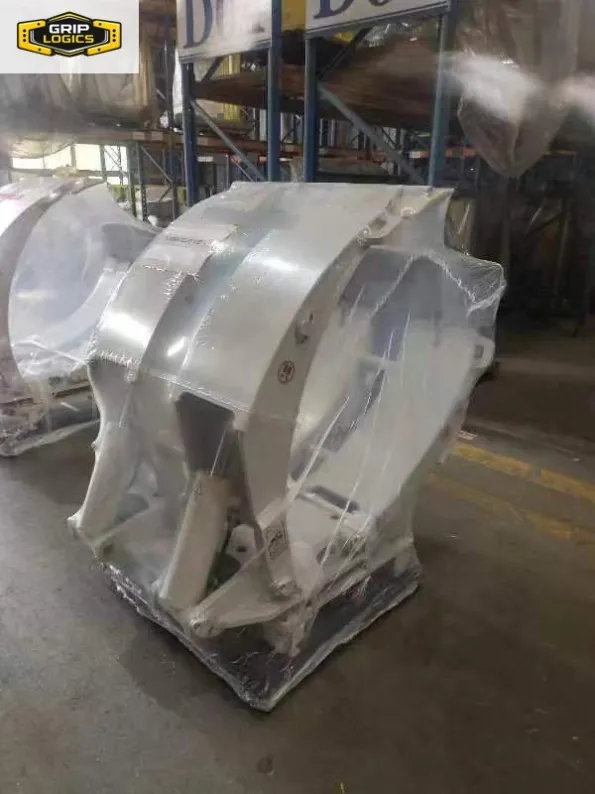
Standard forks are not ideal for cylindrical rolls. A roll can shift, roll away or become damaged if it is lifted without proper surface support. A paper roll clamp uses curved pads and controlled hydraulic clamping force to hold the roll from the side. Depending on the application, it may also rotate the roll for vertical-to-horizontal handling, storage, machine feeding or truck loading.
The goal is not simply to hold the roll. The goal is to hold it with the right pressure, the right pad geometry and the right rotation control so the roll remains usable after every handling cycle.
Key data buyers should prepare
Before requesting a paper roll clamp quotation, prepare the roll diameter range, roll width, roll weight, paper grade, core direction, storage method and required handling direction. Also confirm whether the roll is wrapped or exposed, and whether the operator needs 180 degree or 360 degree rotation.
Forklift information is equally important. Buyers should provide forklift brand and model, rated capacity, load center, carriage class, mast type and available hydraulic functions. GripLogics can support compatibility review for Heli, Hangcha and other major forklift brands when this information is available.
Clamp force and damage control
Clamp force is one of the most important technical points in paper roll handling. Too little force may allow the roll to slip. Too much force may crush the roll, mark the surface or deform the core. The correct clamp force depends on roll weight, paper type, diameter, surface condition and handling angle.
For damage-sensitive paper, buyers should consider pressure control, suitable pad material and a pad shape matched to the diameter range. Operators also need clear visibility and smooth hydraulic control so the clamp can approach, grip and release the roll without sudden movement.
Pad design and contact surface
Paper roll clamp pads must spread force evenly across the contact area. A poorly matched pad can leave marks, create flat spots or fail to stabilize rolls of different diameters. Wide curved pads are often used to improve contact and reduce surface pressure. Some operations may need rubber compounds or replaceable contact surfaces designed for specific paper grades.
When the roll diameter range is wide, the pad and arm geometry should be reviewed carefully. One clamp may be able to handle several roll sizes, but only if the opening range and pad contact remain appropriate throughout the working range.
Rotation and positioning requirements
Many paper operations need rotation. A roll may arrive vertical but need to be positioned horizontally for a machine, storage rack or truck loading pattern. A rotatable paper roll clamp gives the operator better control during these transitions and can reduce manual intervention.
Buyers should define the required rotation angle, cycle frequency and whether the load must be held during rotation at height. Heavy roll handling requires stable forklift capacity, good operator visibility and suitable hydraulic flow.
Maintenance and durability
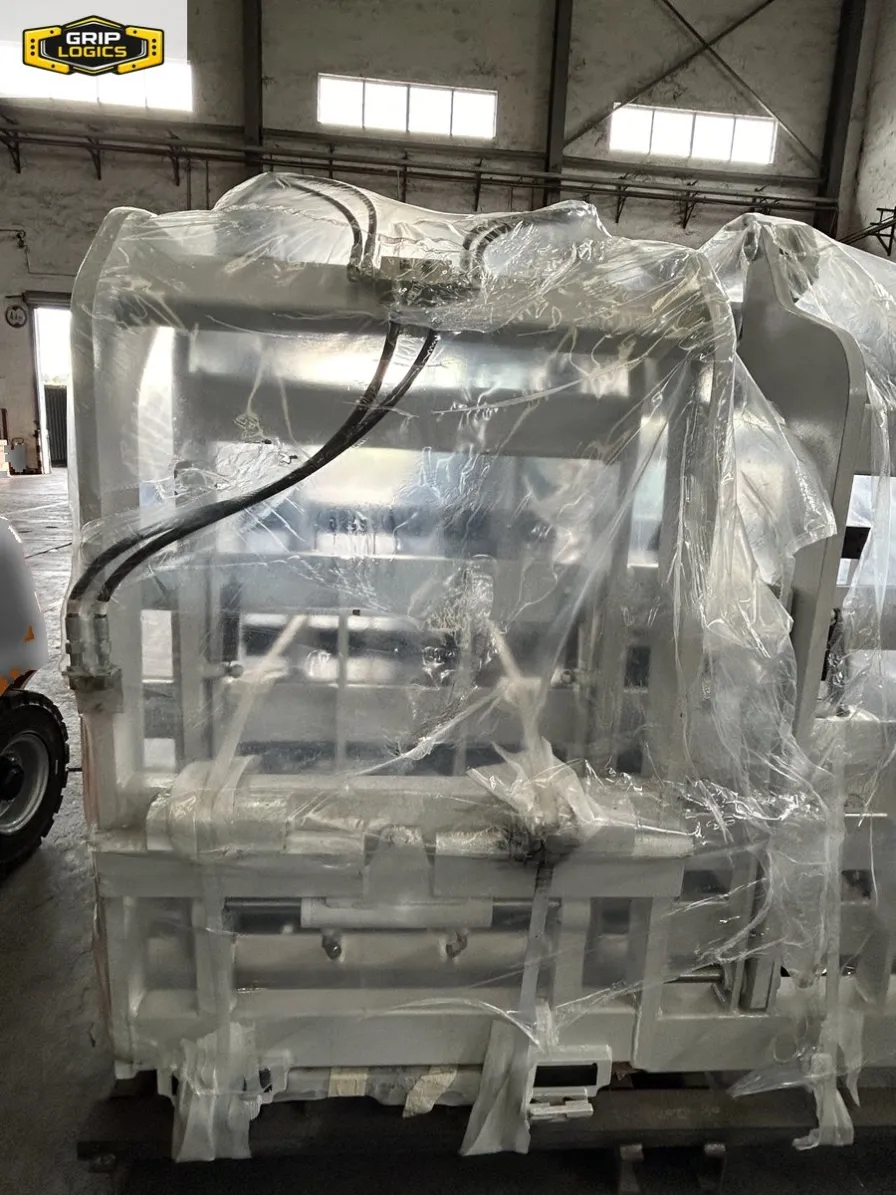
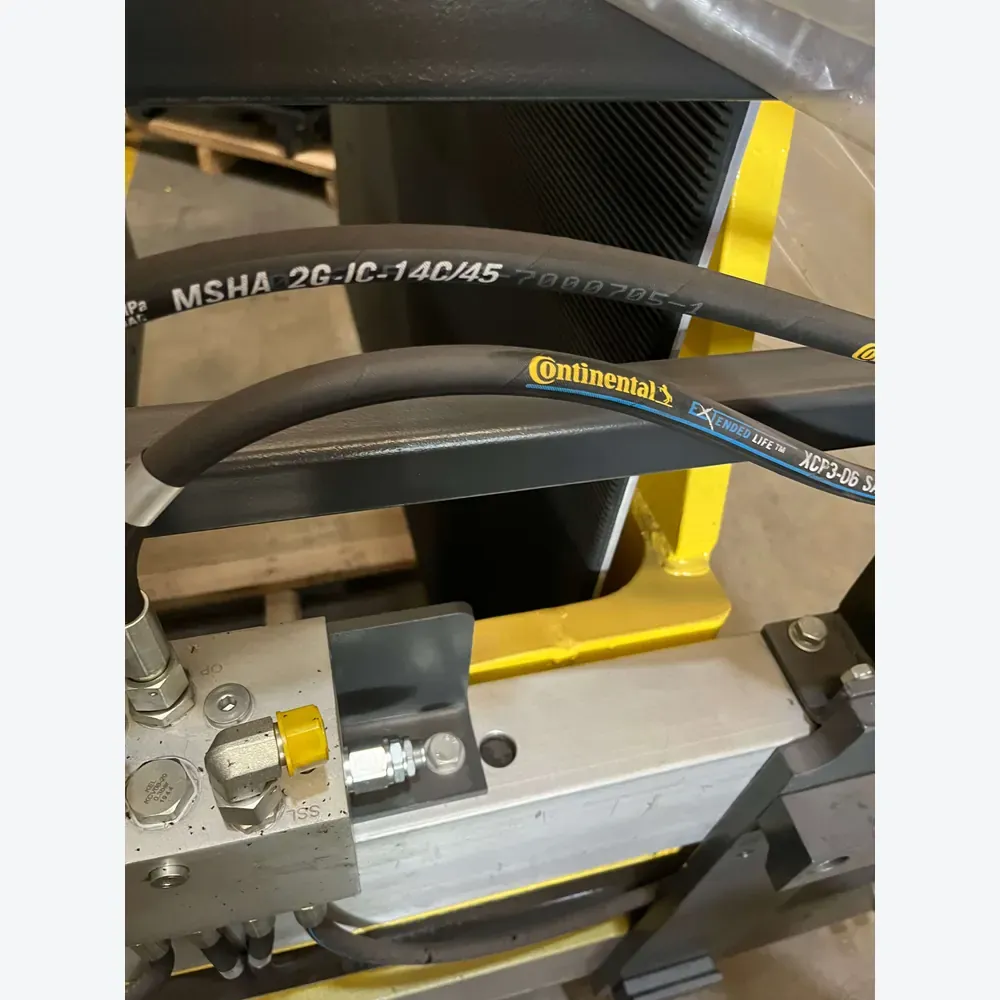
Paper roll clamps work in high-cycle environments. Important maintenance points include hydraulic hoses, cylinders, pivot points, pad wear, arm alignment and mounting condition. Regular inspection helps prevent roll drops, uneven pressure and unexpected downtime.
For rental fleets and distributors, durability matters because the attachment may be used across different customers and operating habits. Serviceable wear parts, robust structure and clear configuration records make the clamp easier to support over its life.
How GripLogics helps buyers specify a paper roll clamp
GripLogics helps buyers define the opening range, capacity, pad type, rotation requirement, mounting class and optional configurations. Our goal is to make the specification process clear enough for dealers, mills and logistics teams to avoid mismatched equipment.
If you handle paper rolls and want to reduce damage while improving handling speed, send GripLogics your roll dimensions, weight range and forklift model. Our team will help review the application and provide a practical quotation path.