Jul 29, 2026
Block Clamp Applications in Construction Material Handling
Learn how forklift block clamps improve concrete block, brick and paver handling in manufacturing plants, yards and construction material distribution operations.
Block Clamp Applications in Construction Material Handling
Concrete blocks, bricks, pavers and construction materials are heavy, abrasive and often handled outdoors. Standard fork handling may work for some loads, but many block manufacturers and building material yards need a dedicated block clamp to move stacks faster, reduce manual work and improve control over bulky products.
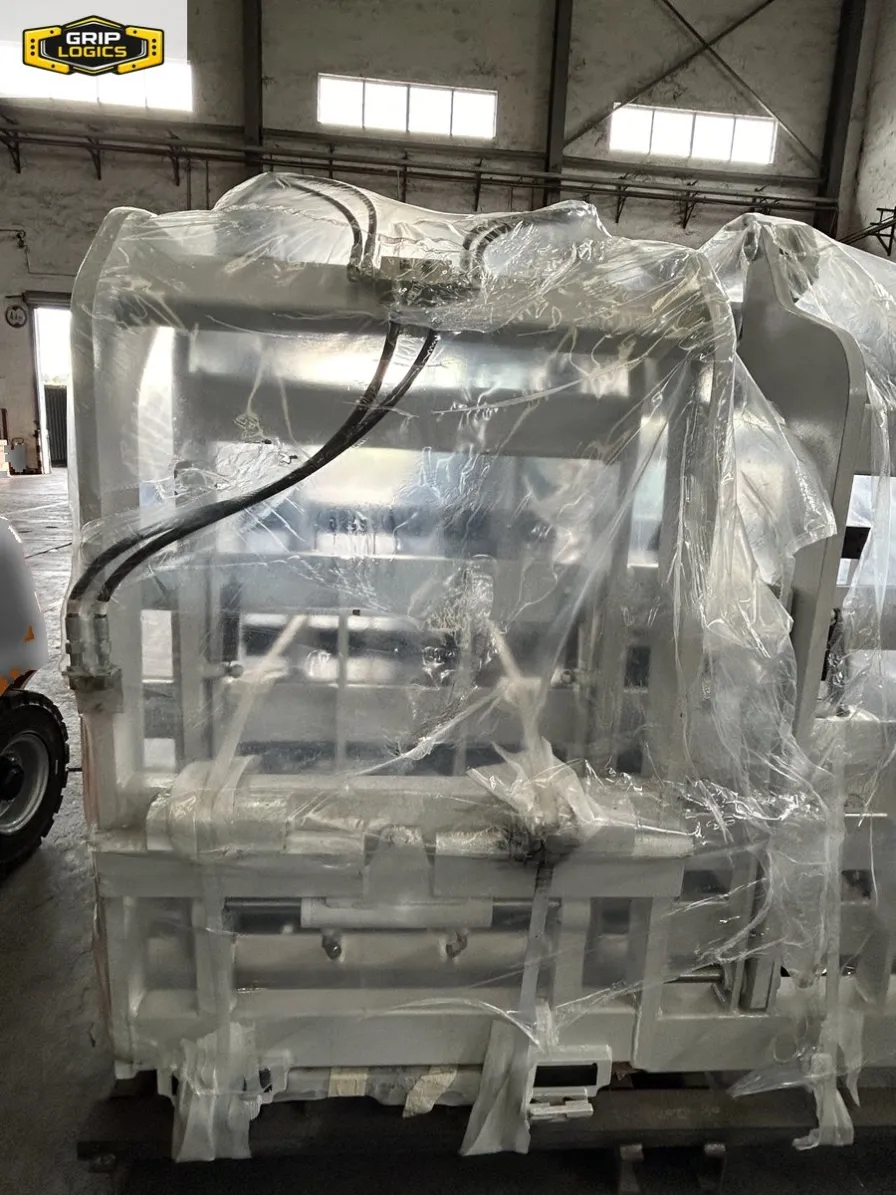
A forklift block clamp is designed to grip block stacks from the sides. The attachment must combine strong clamping force, rugged structure and durable contact pads that can handle repeated cycles in dusty, abrasive environments.
Where block clamps are used
Block clamps are common in concrete block plants, brick factories, paver production sites, building material yards and landscaping product distribution centers. They may be used to move freshly cured blocks, transport finished stacks, load trucks or organize outdoor storage areas.
The operating environment is usually more demanding than a clean warehouse. Dust, uneven ground, outdoor weather, abrasive surfaces and heavy cycle counts all influence attachment selection. Buyers should consider not only rated capacity, but also frame strength, pad wear, operator visibility and service access.
Why a block clamp improves productivity
A properly specified block clamp can reduce dependence on pallets, manual strapping or repeated fork adjustments. Operators can grip stacks directly, move them with better side control and place them more accurately in storage or on transport vehicles. This can help yards reduce handling time and improve loading consistency.
For manufacturers, better block handling also supports smoother production flow. Finished products can move from curing, stacking, storage and dispatch with fewer intermediate steps. For distributors, a block clamp can help load mixed orders more efficiently when different product sizes are handled every day.
Key specification factors
Before selecting a forklift block clamp, buyers should prepare stack dimensions, stack weight, block type, surface condition, required opening range and daily handling cycle. The forklift model, rated capacity, carriage class and hydraulic functions should also be confirmed.
GripLogics can support fitment review for Heli, Hangcha and other major forklift brands when buyers provide truck information and load details. This matters because the attachment weight and load center will reduce the forklift’s residual capacity.
Clamp pads and surface contact
Block clamp pads must provide enough friction and support without damaging the product. Abrasive surfaces can wear pads quickly, so replaceable or application-specific pads are often important. The pad layout should spread pressure evenly across the stack and maintain stability during lifting, turning and truck loading.
If the load includes fragile pavers, decorative blocks or mixed product stacks, the buyer should explain acceptable surface marks and packaging requirements before quotation. The pad design may need to balance grip, wear life and product protection.
Safety and operator visibility
Block handling can create high-risk situations if loads shift or if the operator cannot see the contact area clearly. A good block clamp should support stable gripping and give the operator enough visibility to position the attachment accurately. The forklift should be operated within its residual capacity after the attachment is installed.
Operators should also be trained to approach stacks squarely, avoid sudden movement and inspect pads, pivots and hydraulic components regularly. Outdoor yard conditions may require more frequent inspection than indoor applications.
Maintenance considerations
Construction material handling is tough on attachments. Regular maintenance should include checking hydraulic hoses, cylinders, clamp arms, pivot points, pad wear, mounting hooks and frame condition. Worn pads or loose pivots can reduce gripping performance and increase load movement.
For rental fleets and dealers, serviceability is a major buying factor. Attachments that use replaceable wear parts and clear maintenance points are easier to support across multiple customers and duty cycles.
How to choose the right block clamp
The right block clamp should match the load, forklift and yard workflow. Buyers should avoid selecting only by rated capacity. Opening range, pad design, contact length, attachment weight, visibility and hydraulic requirements all influence whether the clamp will perform well.
GripLogics helps buyers review block dimensions, stack weight, forklift compatibility and optional configurations before quotation. If your operation handles blocks, bricks or pavers and needs safer, faster loading, send us your load data and forklift model for a practical attachment recommendation.